The Story of Drone Technology, the Sky, and Change
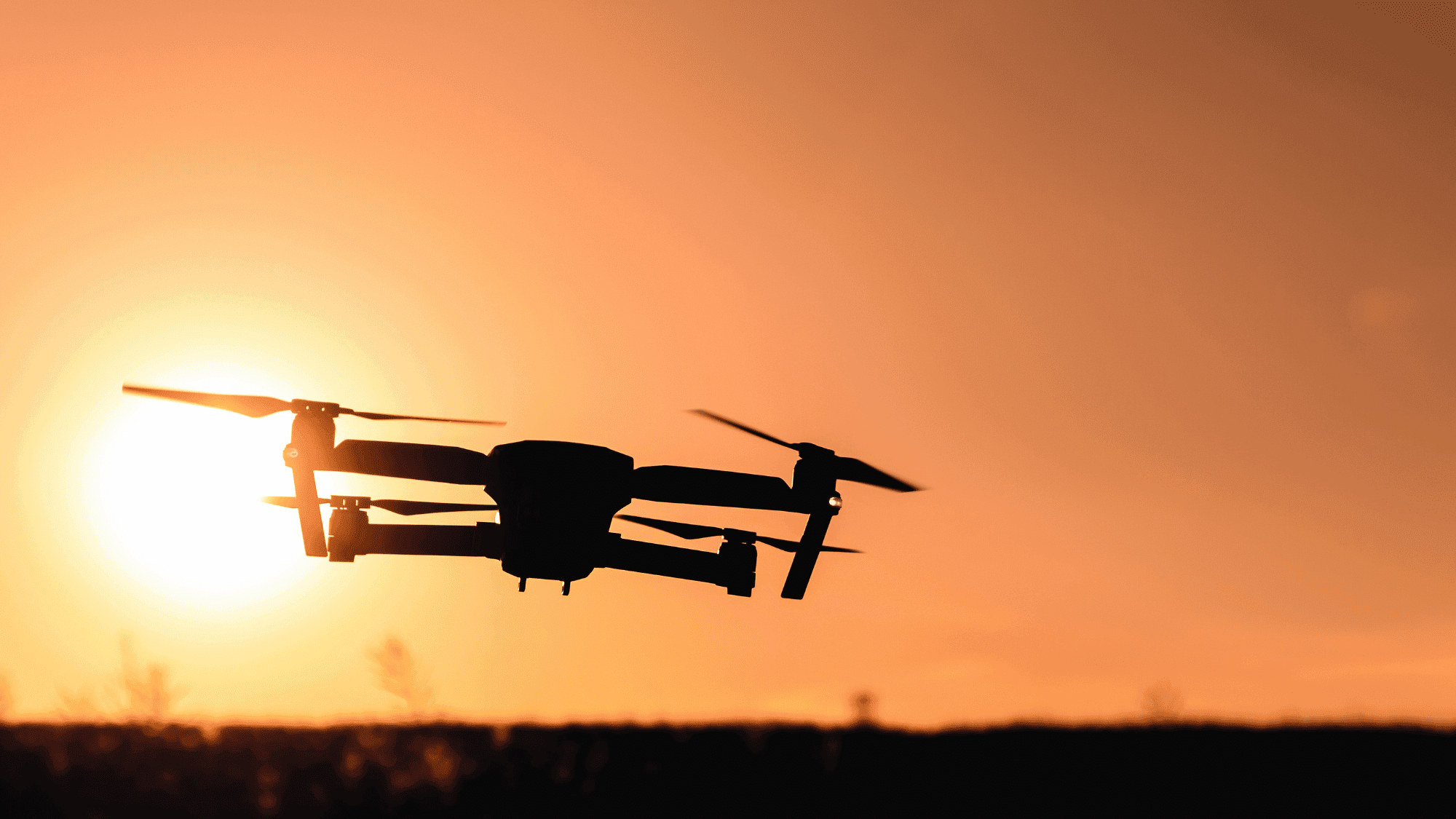
Technology, at its core, is the engine driving change across the world. One of the most fascinating technologies that has emerged in the last decade is drone technology. From being a military tool to transforming industries and influencing global societies, drones are emblematic of technological evolution.
The Rise of Drones: From Military to Civilian Use
Drone technology has evolved far beyond its original military use. Initially developed for military reconnaissance during the early 20th century, these unmanned aerial vehicles (UAVs) have transformed into versatile devices with widespread civilian applications.
By the early 2000s, advancements in GPS systems, high-definition cameras, sophisticated flight controllers, and compact motors allowed drones to enter new fields. Today, they're used in environmental monitoring, agriculture, construction, logistics, filmmaking, and disaster management.
How Drone Technology Works
Understanding drone capabilities requires breaking down the key components that enable their function:
- The Frame: Lightweight, durable structure made from materials like carbon fiber.
- Motors and Propellers: Primary propulsion system generating lift, typically four motors for quadcopters.
- Flight Controller: The "brain" using sensors to stabilize the drone and make real-time adjustments.
- Battery: Lithium-polymer batteries providing 15-30 minutes of flight time.
- GPS and Navigation: Enabling precise positioning and autonomous flight capabilities.
- Sensors and Cameras: Optical cameras, infrared sensors, and LiDAR systems for data capture.
Applications of Drone Technology
1. Agriculture and Precision Farming
Drones monitor crop health, soil conditions, and irrigation systems. In Bangladesh, where agriculture plays a significant economic role, drones can significantly increase farming efficiency, especially in rural areas.
2. Disaster Management and Humanitarian Aid
In countries like Bangladesh, where natural disasters such as floods, cyclones, and landslides are common, drones prove invaluable in disaster response. They quickly assess damage, identify hazards, and locate survivors using thermal imaging.
3. Logistics and Delivery Systems
Drones deliver packages, medicines, and documents quickly and cost-effectively. In Bangladesh, where traffic congestion is a major challenge, drones could revolutionize last-mile deliveries in densely populated areas like Dhaka.
4. Environmental Monitoring and Conservation
Drones monitor deforestation, track endangered species, assess pollution levels, and map biodiversity. In Bangladesh, they could play a major role in monitoring environmental issues like deforestation in the Sundarbans.
5. Entertainment and Media
Drones have significantly impacted filmmaking and photography. Aerial shots that once required expensive helicopters can now be captured more efficiently and affordably, opening new creative possibilities.
The Future of Drone Technology in Bangladesh
For Bangladesh, the potential for drones is immense. With the right regulatory framework and infrastructure investment, drone technology could address many pressing challenges:
- Enhancing Agricultural Productivity: Improving productivity in rural Bangladesh through precision farming.
- Revolutionizing Disaster Response: Providing real-time surveys, locating survivors, and delivering supplies.
- Solving Logistics Challenges: Faster deliveries in urban environments, overcoming traffic congestion.
The Changing Landscape
Drone technology is part of a larger narrative of technological progress. As drones become more advanced and accessible, they will redefine industries, influence global economies, and change how societies function. The sky is no longer a barrier but a new frontier.